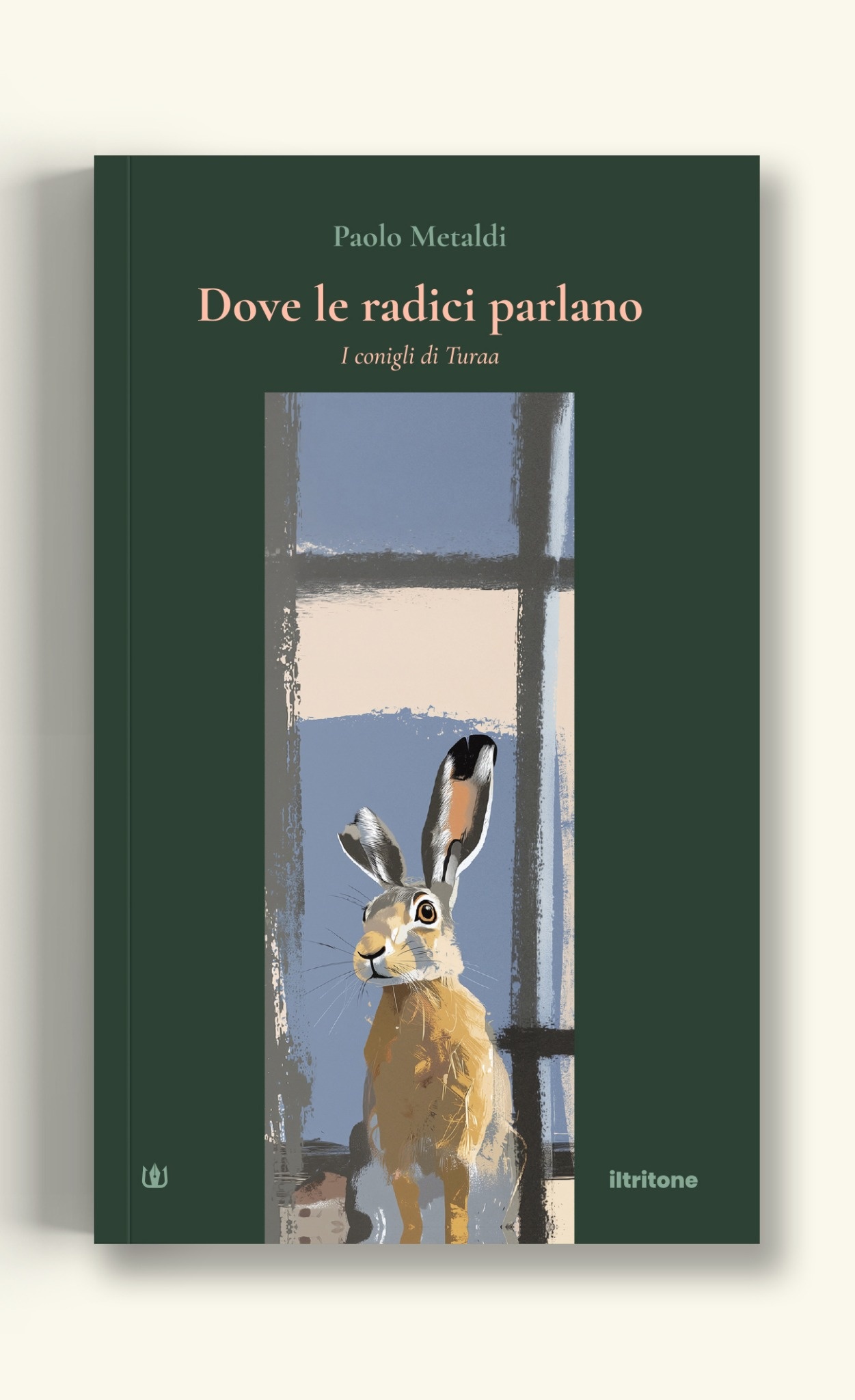
I conigli di Turaa
A fable for all ages, but especially for those who know how to read between the lines.
A world
to cross
I like to think that the project is not only about objects or images, but also about worlds: the way they are built, crossed and inhabited.
At a certain point I felt the need to tell, in another form, something that has always surrounded me: places, animals, fears, visible and invisible cages, the desire for freedom. A literary and visual project grew from this, begun a few years ago and now shaped as a trilogy.
Turaa is Turate in dialect, a town in the province of Como. From there the story moves to my own places, to Cresseglio, and then to my adopted city, Milan. Three real places become an imagined territory inhabited by rabbits, animals, roots, cages, roads and passages.
I conigli di Turaa is a trilogy made up of three short novels: a choral story, at times dystopian, about freedom, fear, listening and resistance. It is not about a sudden escape, but a slower path: recognising your own cage, understanding when to cross it, discovering that no one truly saves themselves alone.
Three books
The first digs. The second walks. The third connects. Three different movements, one narrative world.
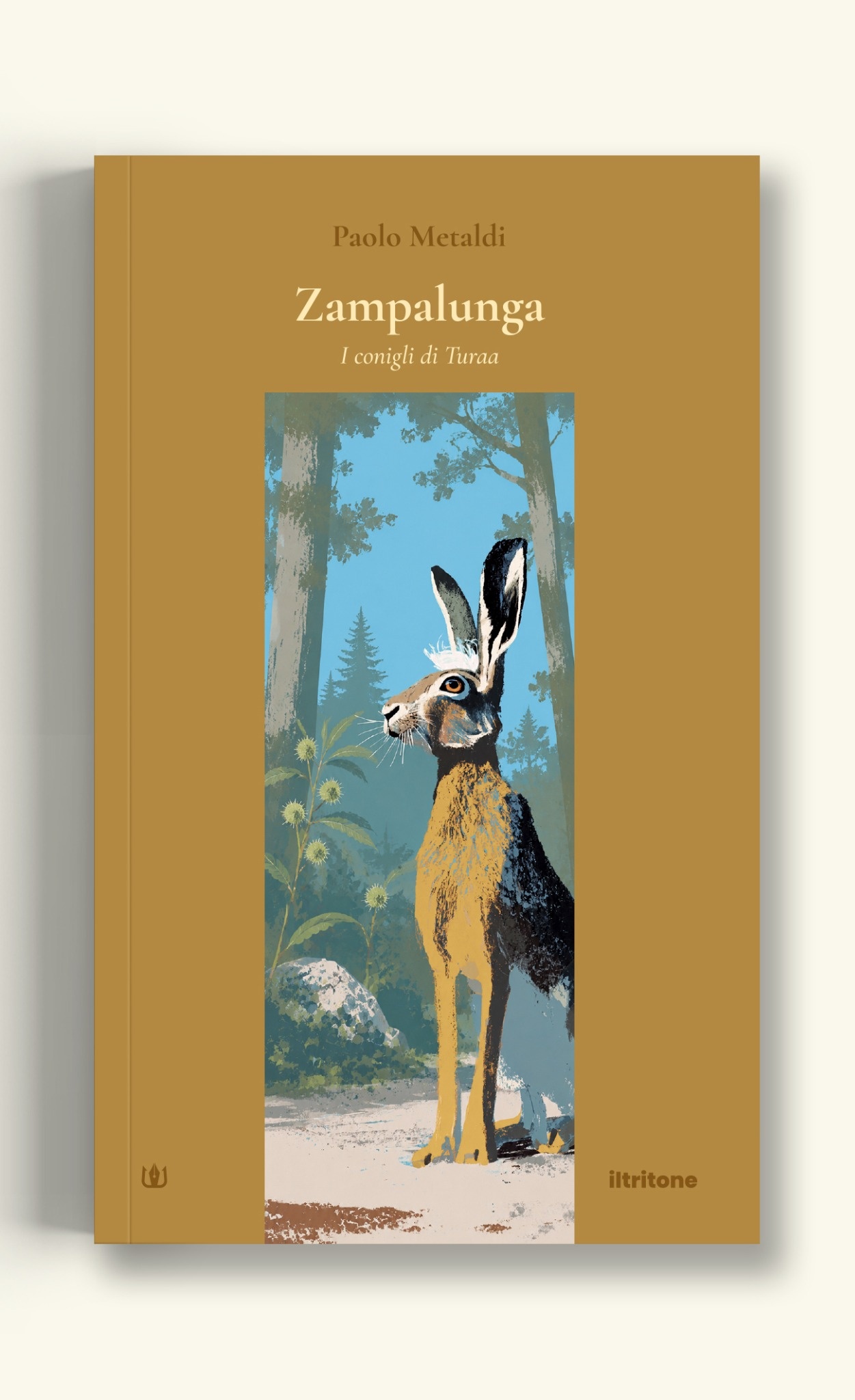
Zampalunga
Volume two | Dimensions: 11x18 cm | Pages: 208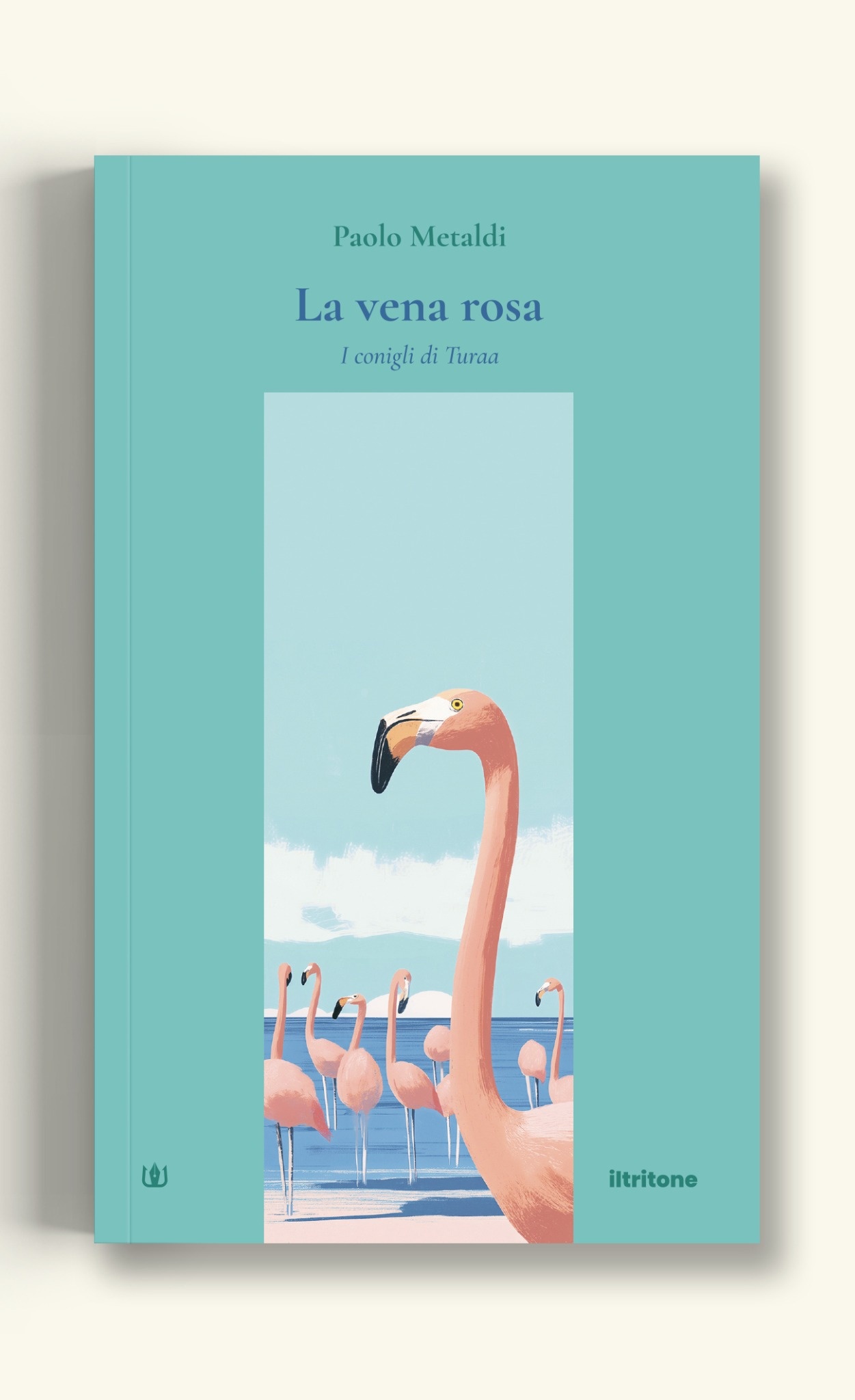
La vena rosa
Volume three | Dimensions: 11x18 cm | Pages: 244Le Porte
A small publishing project, an imaginary publishing house and a series conceived as a threshold.
The publishing house that made this project possible is called iltritone: an imaginary, independent publishing house with no fixed address, somewhere between land and water.
The series to which this trilogy belongs is called Le Porte and consists of three short novels, three covers and three narrative movements.
It begins with a simple idea: a book is not only an object to be read, but a threshold to be crossed. The 11 × 18 centimetre format was chosen to accompany the reader naturally: small enough to travel with them, spacious enough to give the page the breathing room it needs.
The cover follows the same intention. The central illustrated strip is not simply decorative: at scale, it reproduces the proportions of a door. Each volume thus becomes a passage, with the everyday world on one side and the world of the story on the other. The image anticipates the atmosphere; the words open the way.
The graphic language is essential and recognisable, leaving room for the author’s voice and the artist’s gaze. A clean, almost silent form, designed to hold stories that often begin at the margins and find there the strength to become central.
The writing changes along the journey too. The first novel is deliberately the most resistant: it moves through repetitions, sensations, smells, silences and recurring images, almost like a dream blurred by fog. The reader, like Mezz’Orecchio, feels before understanding. In the second, the story becomes more linear; what was perception begins to become understanding and choice. In the third, the gaze opens out, gathers speed and becomes more choral.
For the reader too, then, the world seems to grow progressively sharper. The initial difficulty does not disappear by chance: it dissolves together with the protagonists’ awareness. First perceive, then understand, finally take part.
The three novels do not follow only the chronology of events, but a kind of chronology of consciousness. The first digs. The second walks. The third connects.
Through the binoculars
I created these illustrations to give shape to their universe: a noticeboard seen through binocular lenses, where protagonists, animals, places and presences from the world of Turaa seem to come closer for a moment. Small portraits, in no fixed order, made of names, roles and clues. The line is deliberately quick and imprecise: the rest, the details, are left to our imagination. Come back to it from time to time: it may make the reading feel a little less blurred.
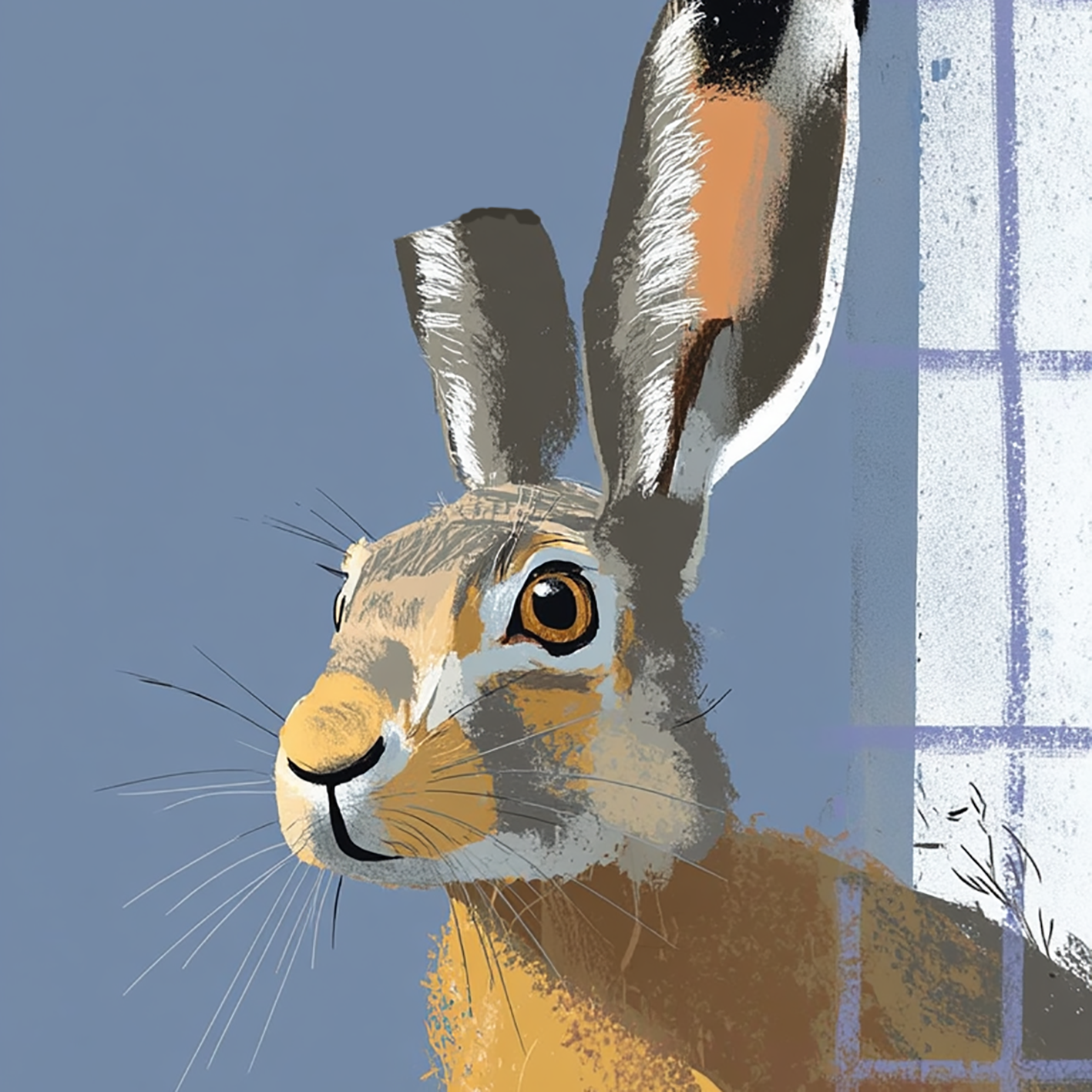
Mezz’Orecchio
the one who returns
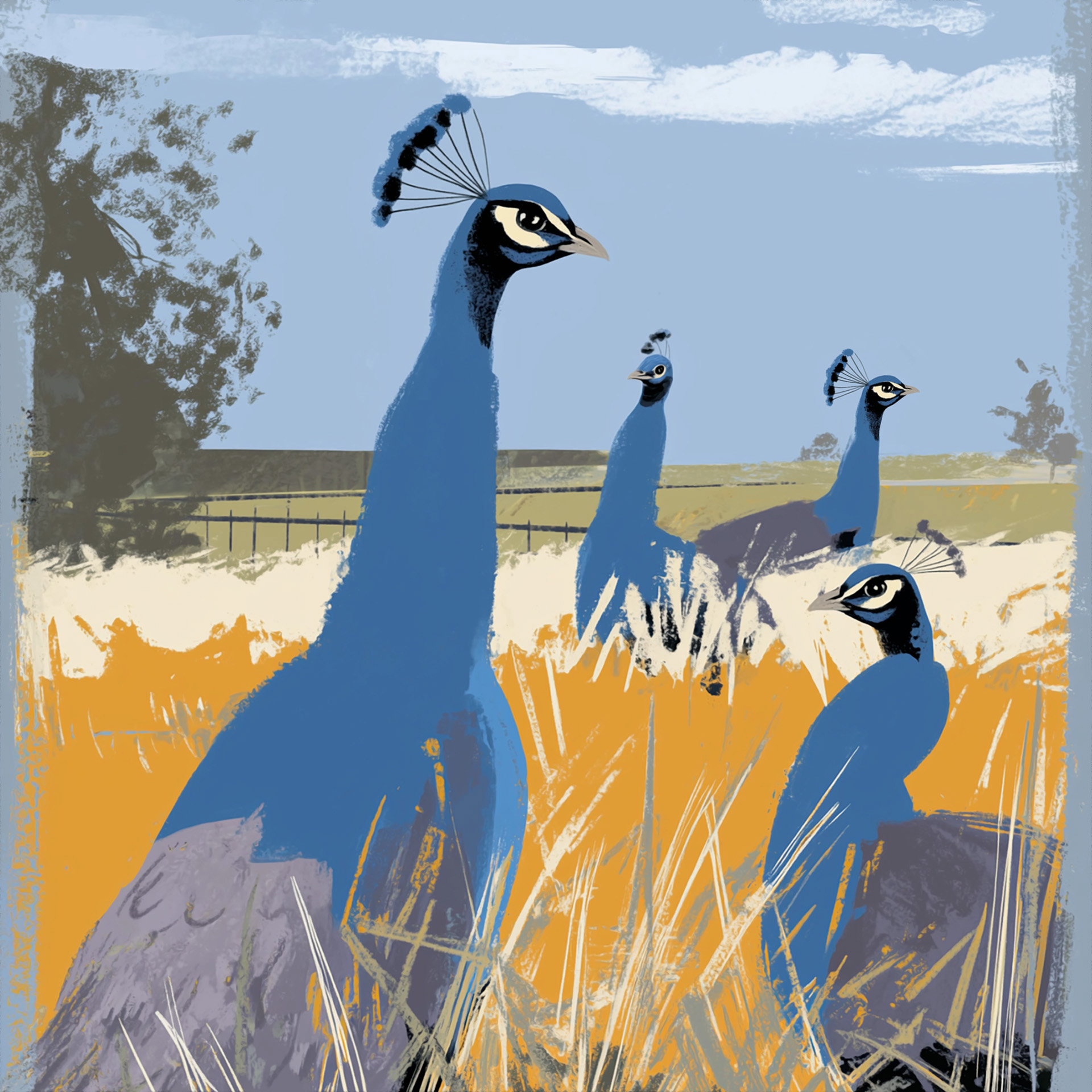
The peacocks
the song
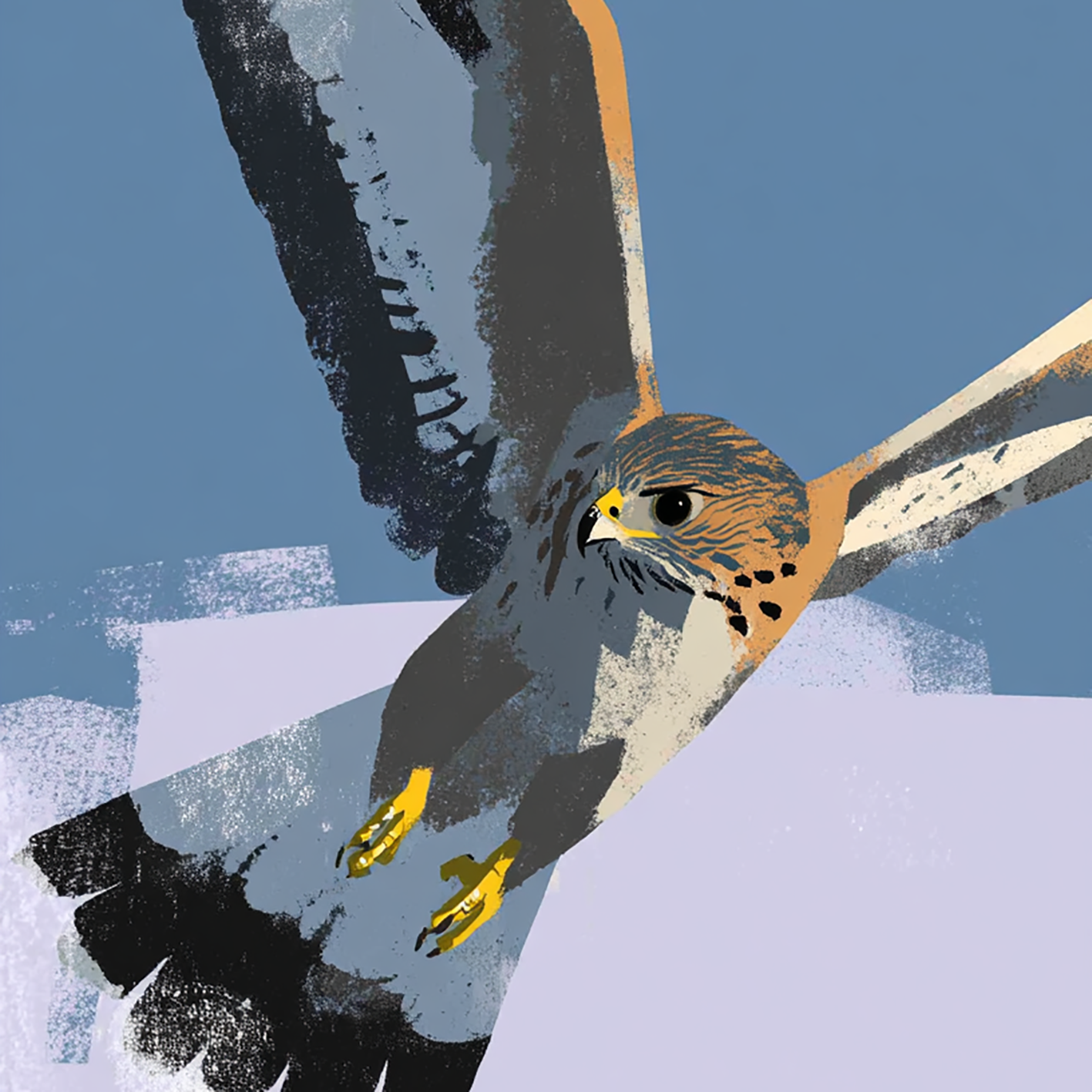
Falco
the gaze
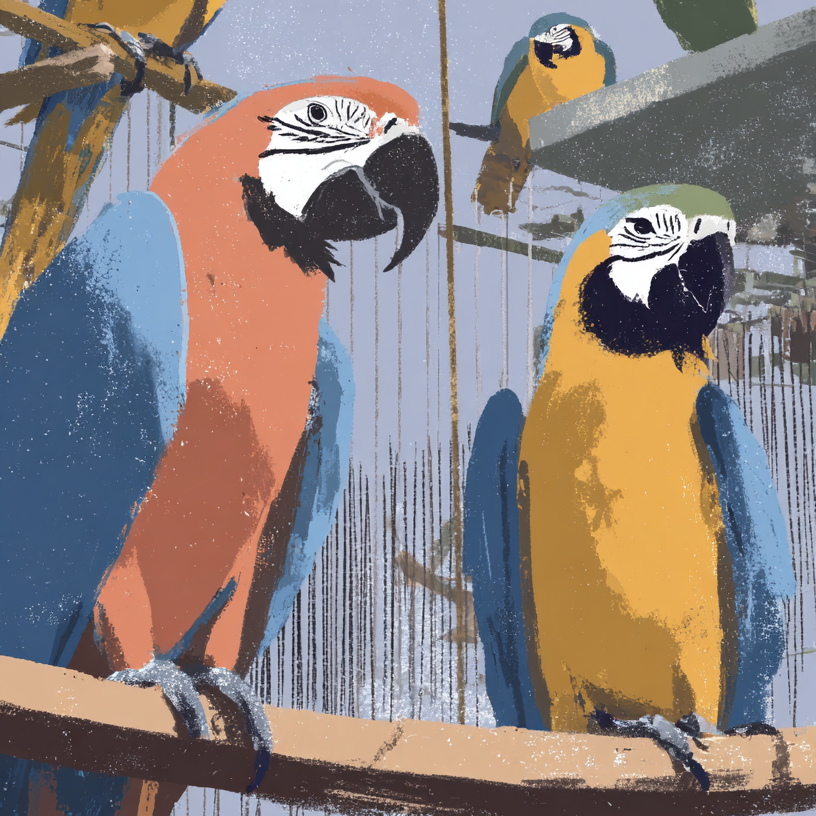
The parrots
the echo
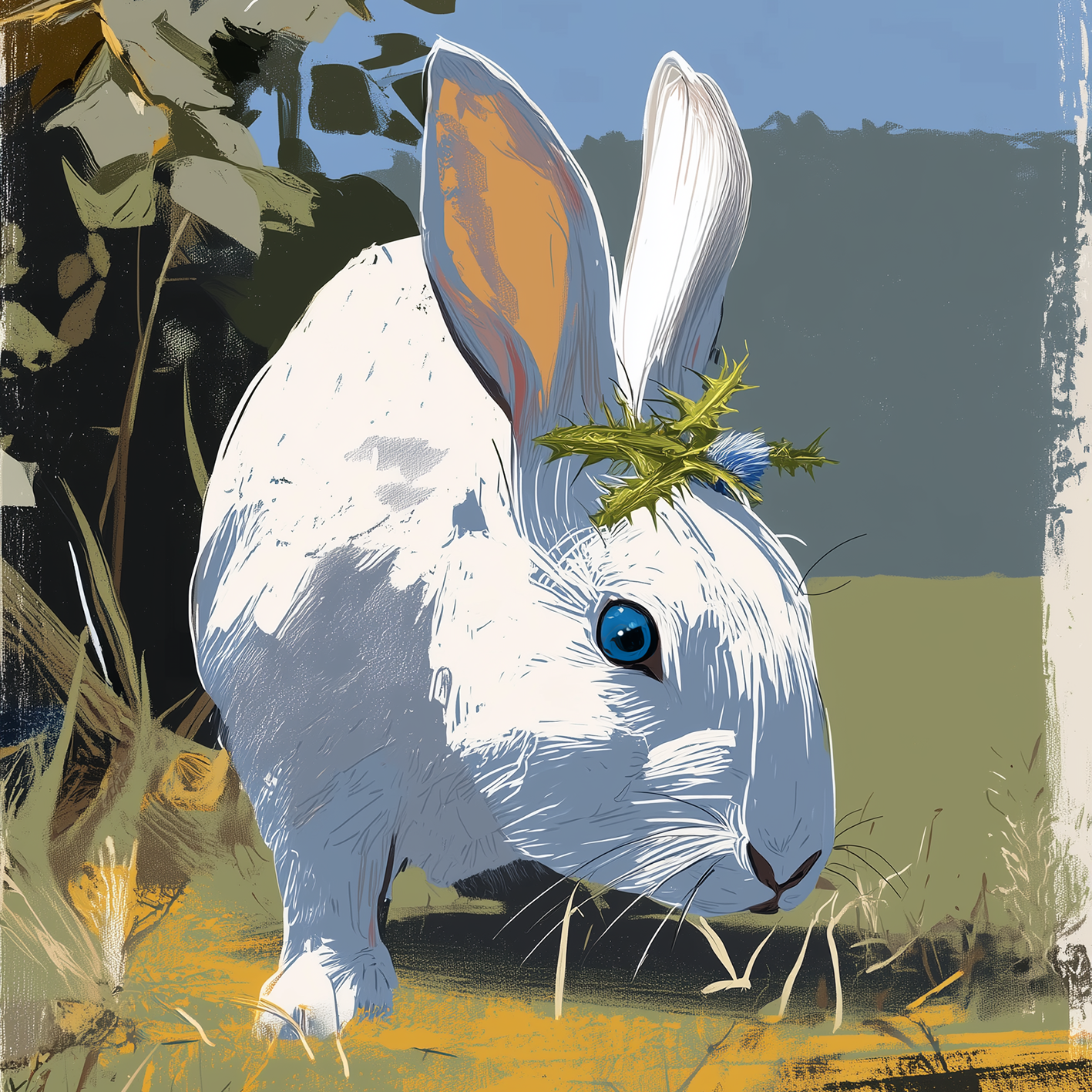
Pompon
the companion
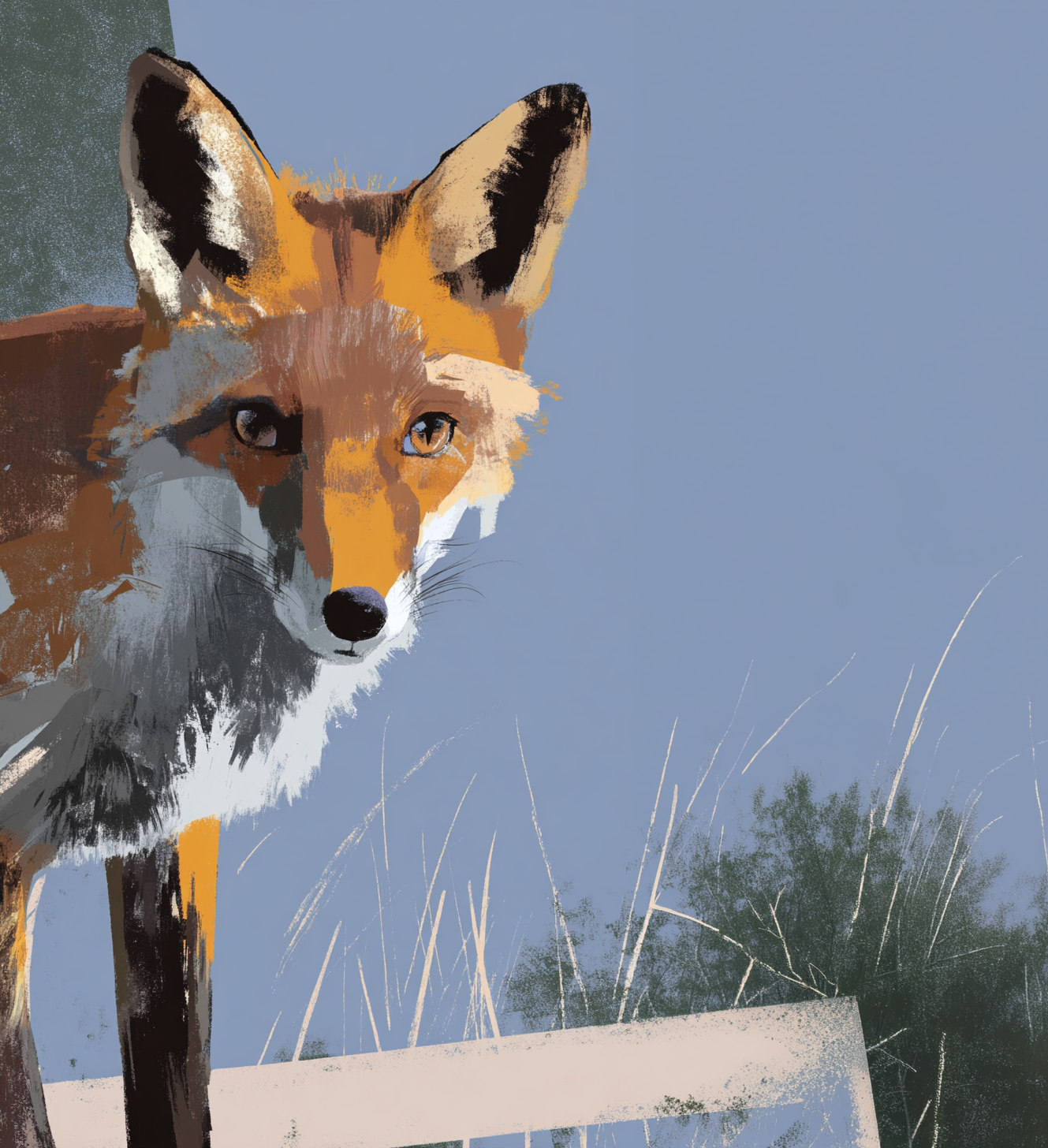
Bruma
the fog
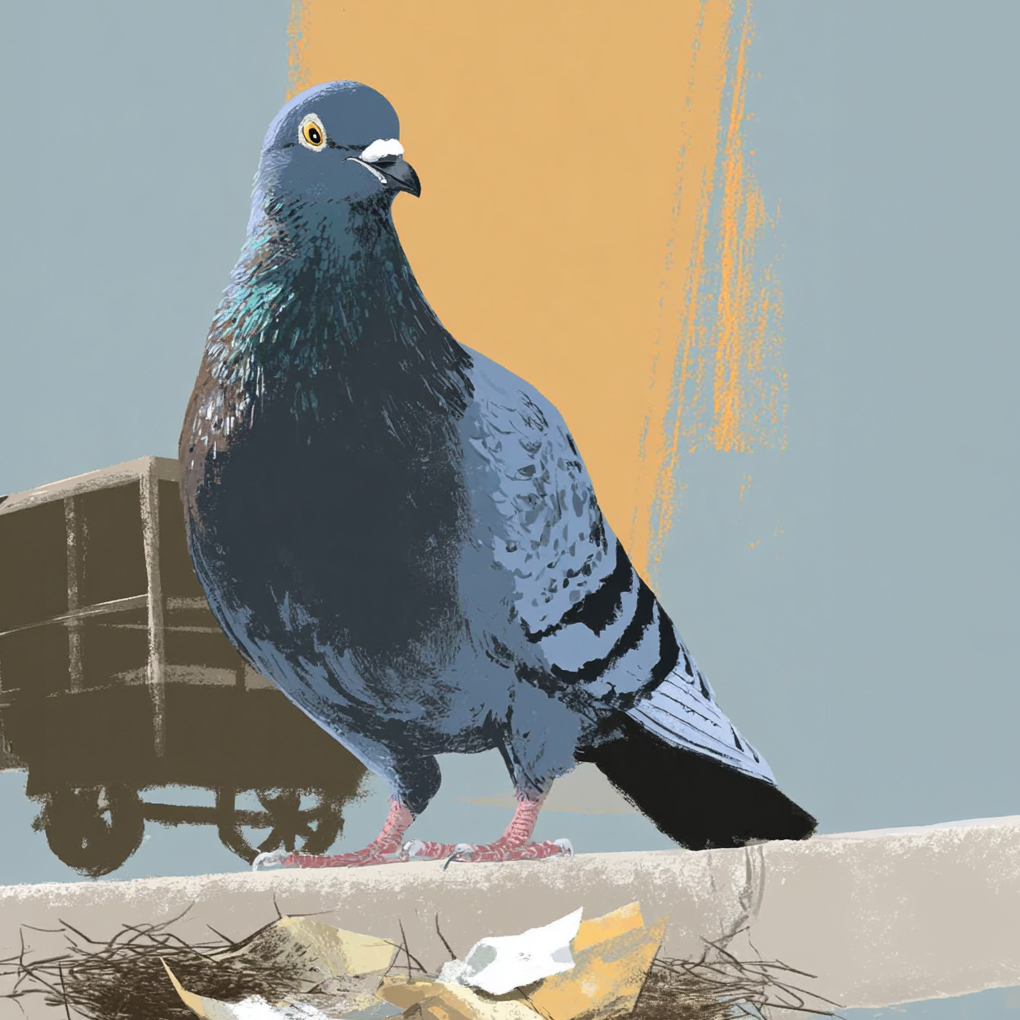
Edmondo
the city
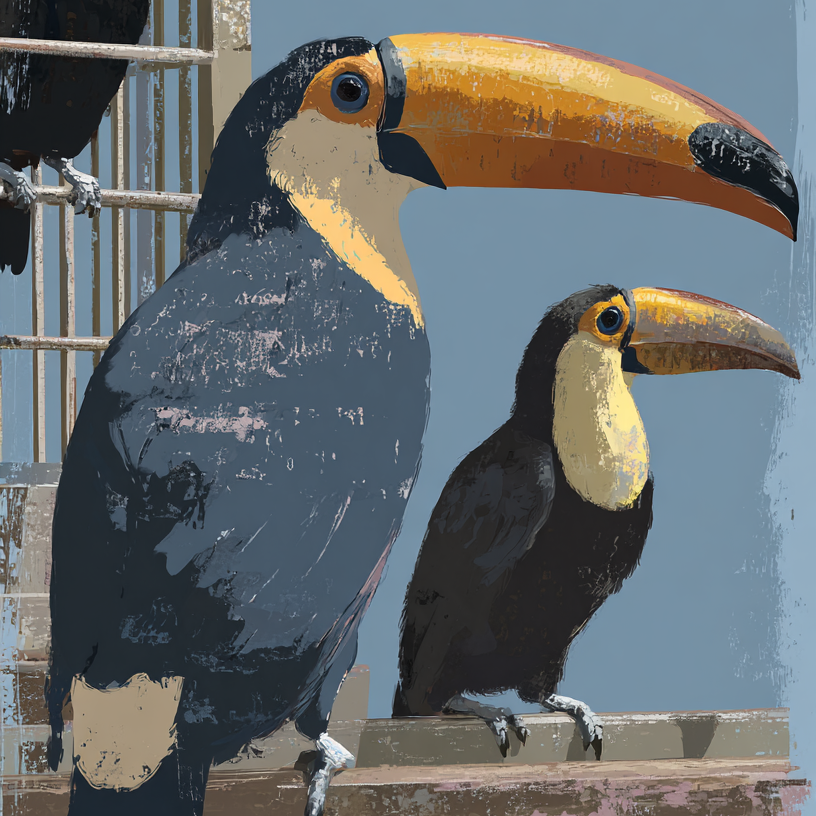
The toucans
the distance
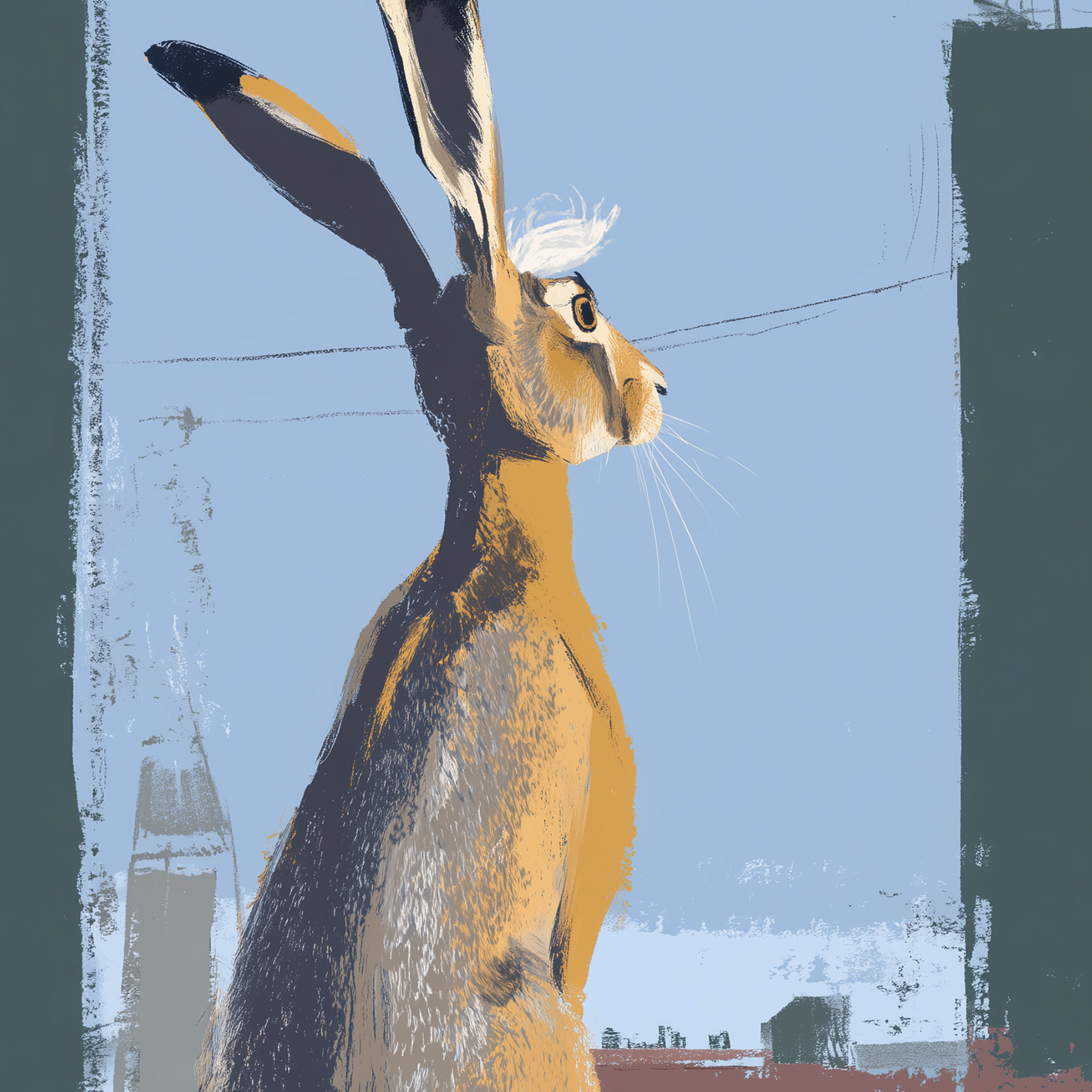
Zampalunga
the guide
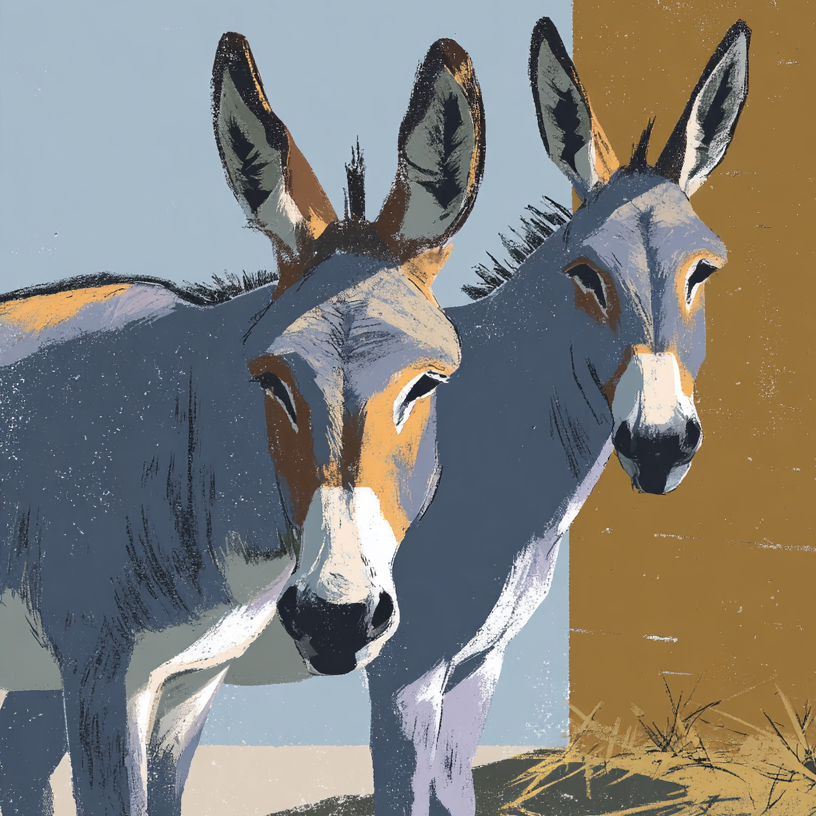
The Sages
memory
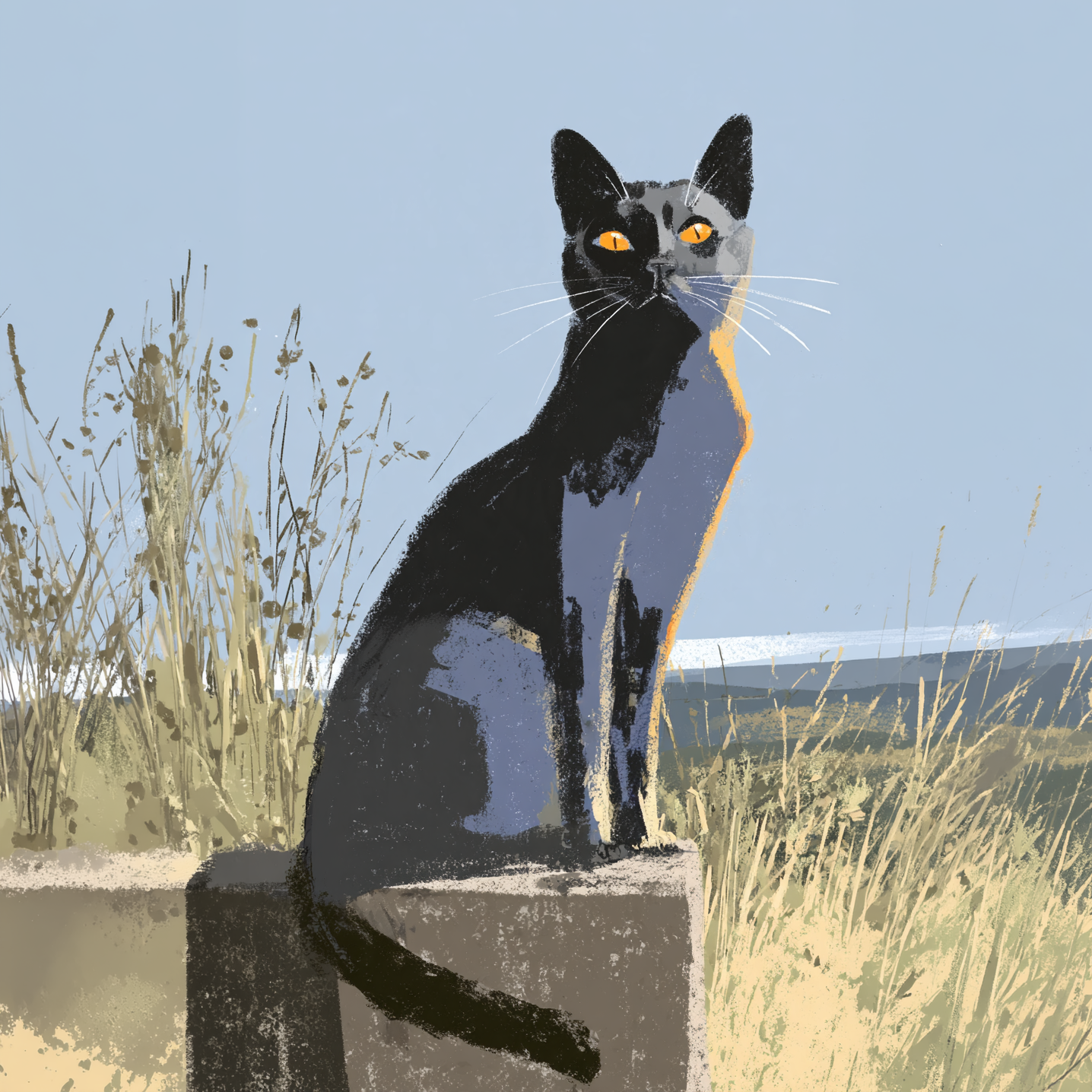
Coda Scura
protection
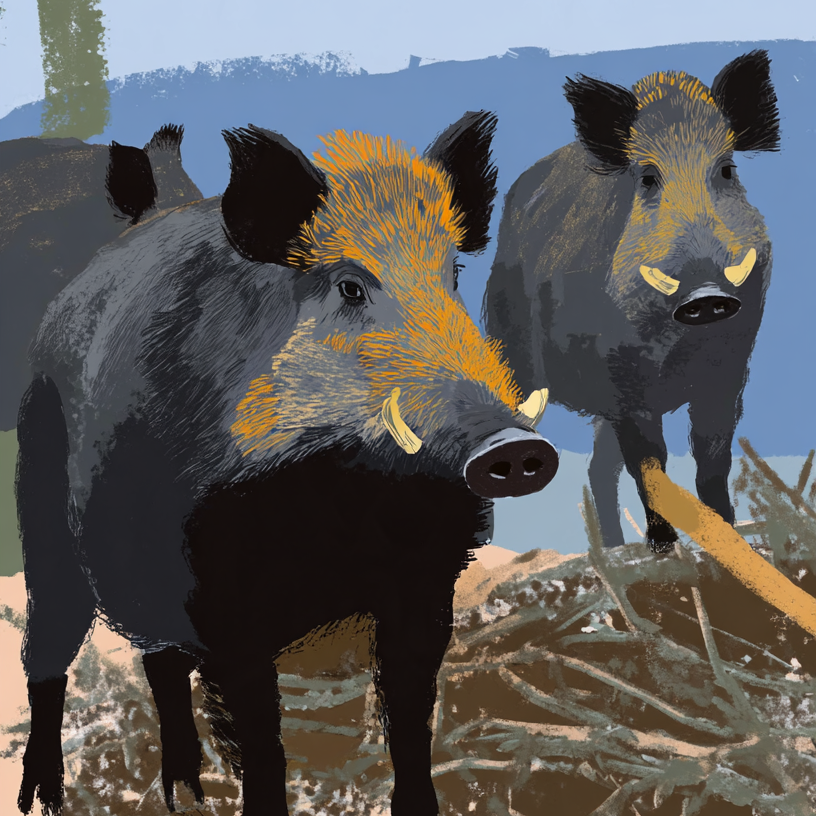
The wild boars
strength
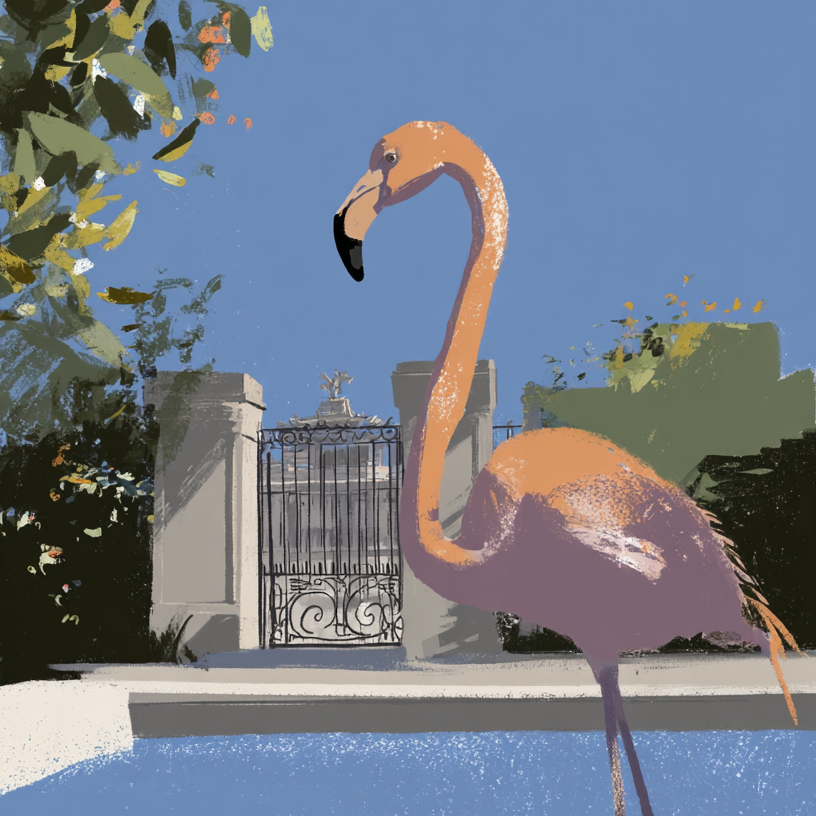
Camargue
the edge
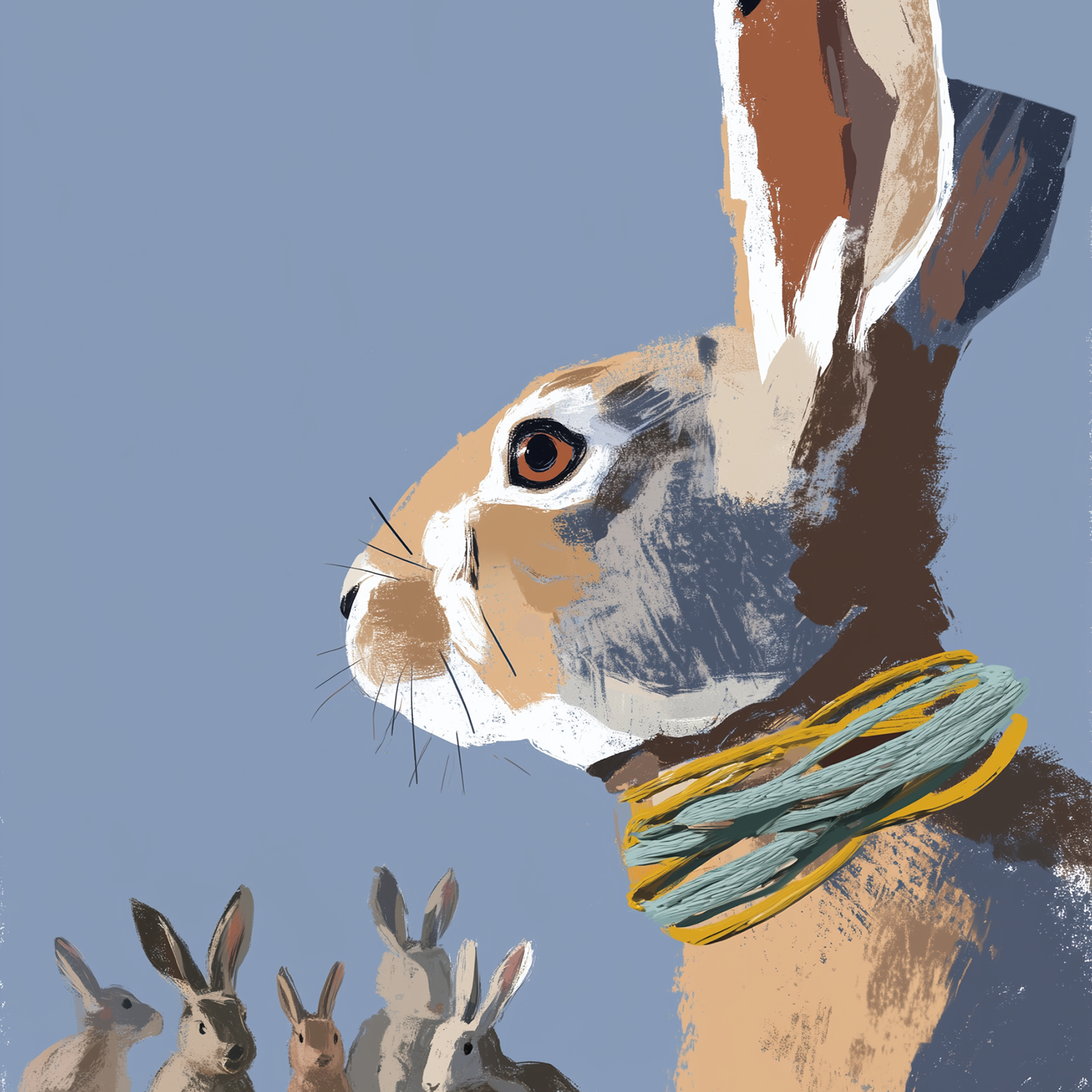
Dita
the one who opens
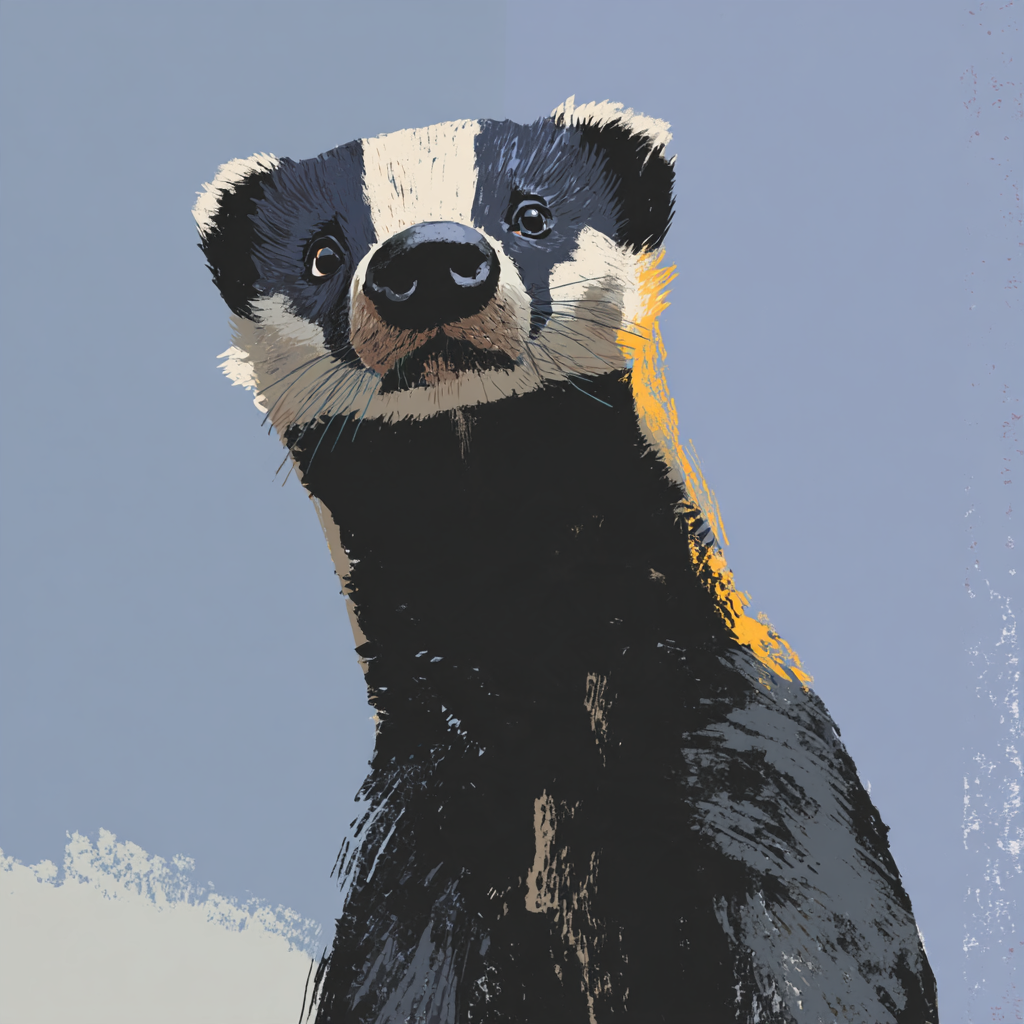
Torquato
the voice
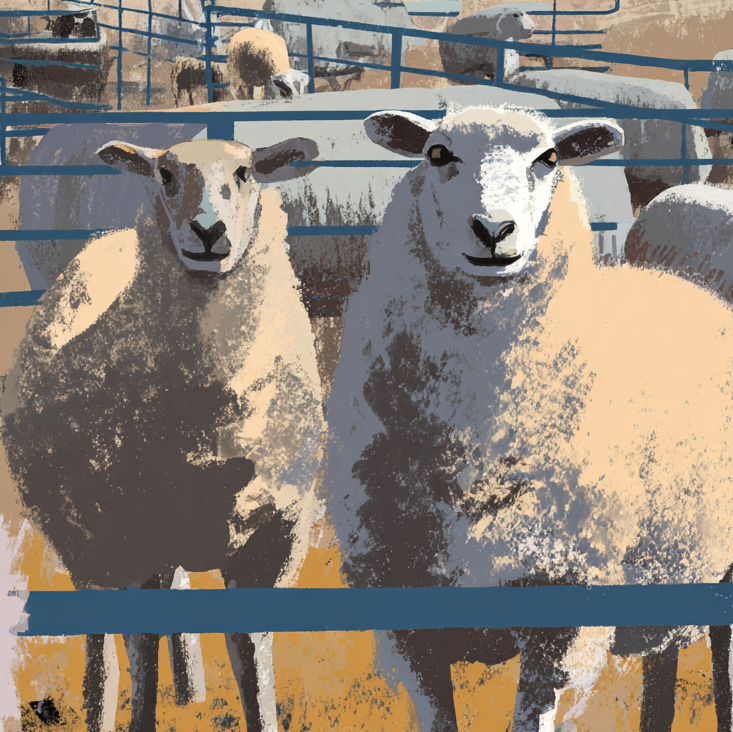
The sheep
sameness
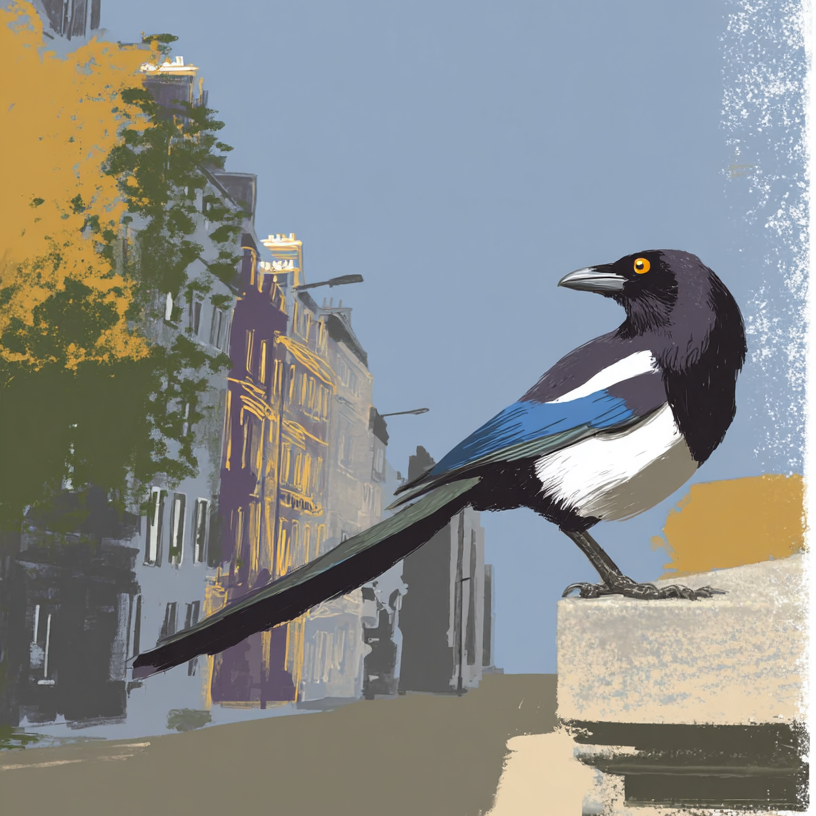
Marsina
the mask
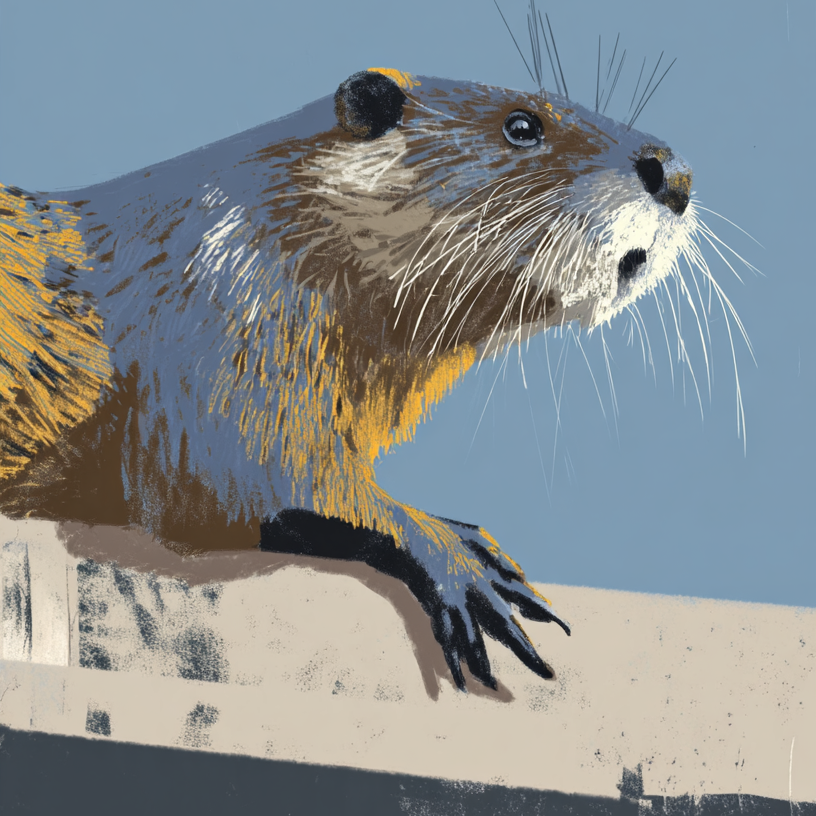
Pelo Bagnato
the return
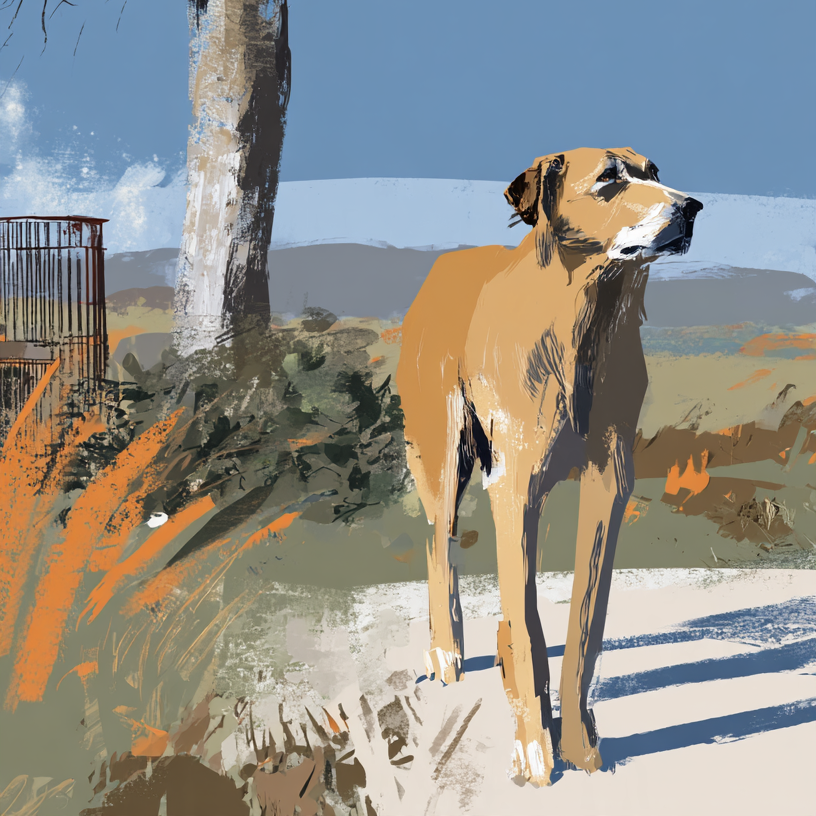
Banano
the unexpected
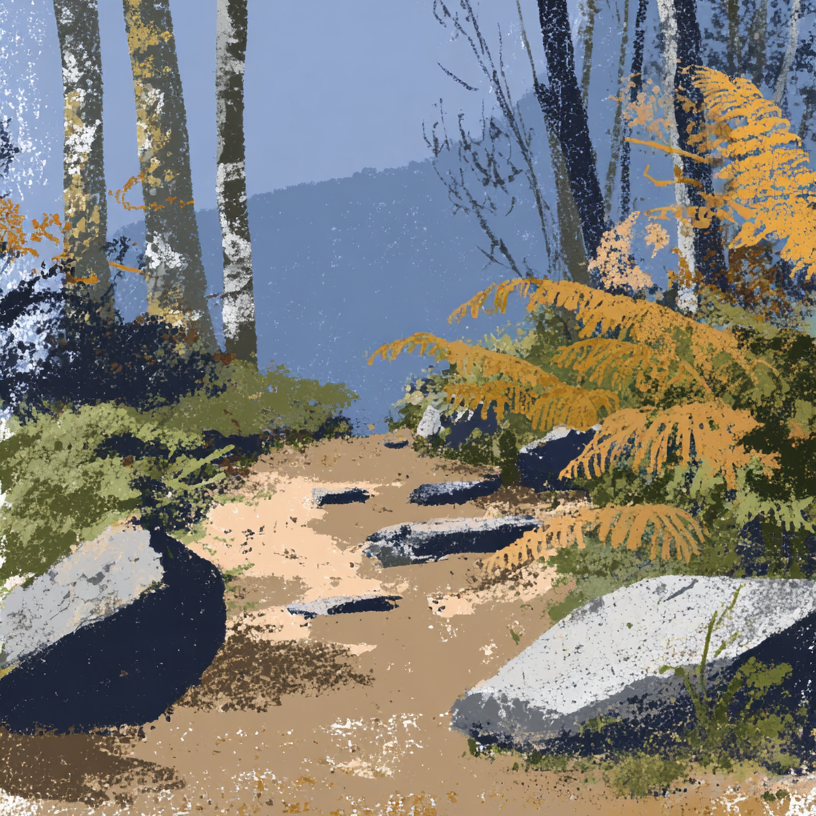
Cresseglio
the place
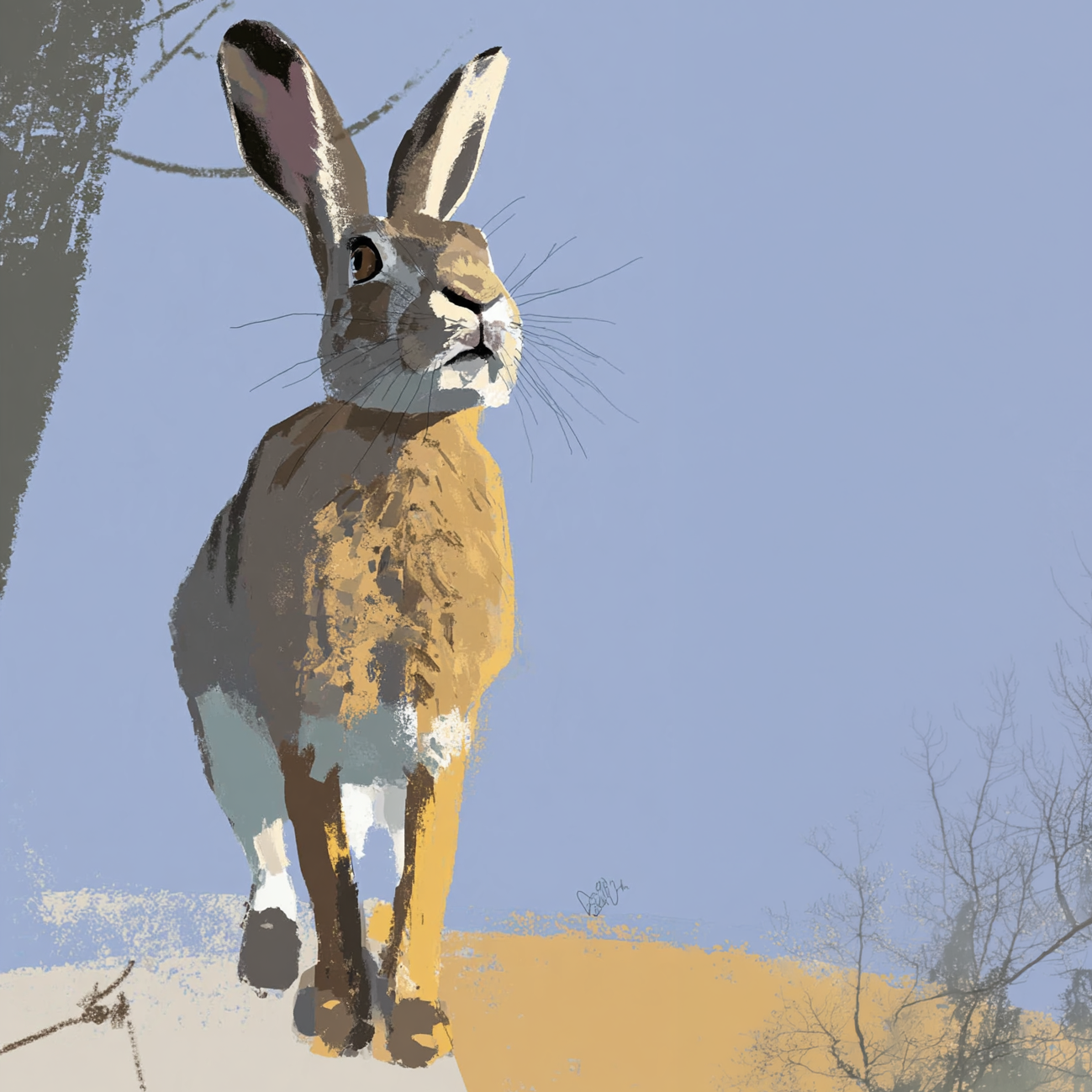
Saltafossi
the passage
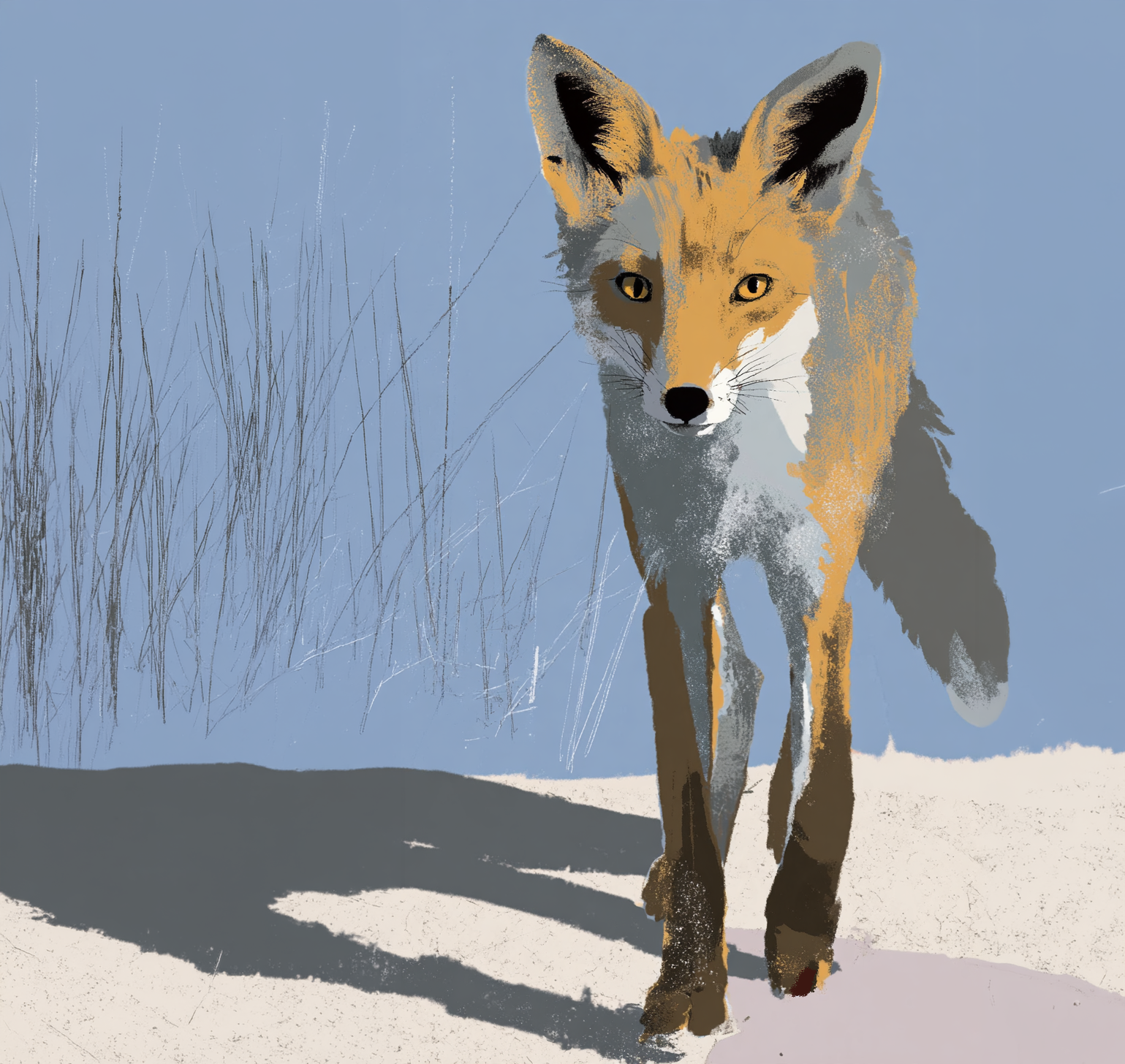
Spina
doubt
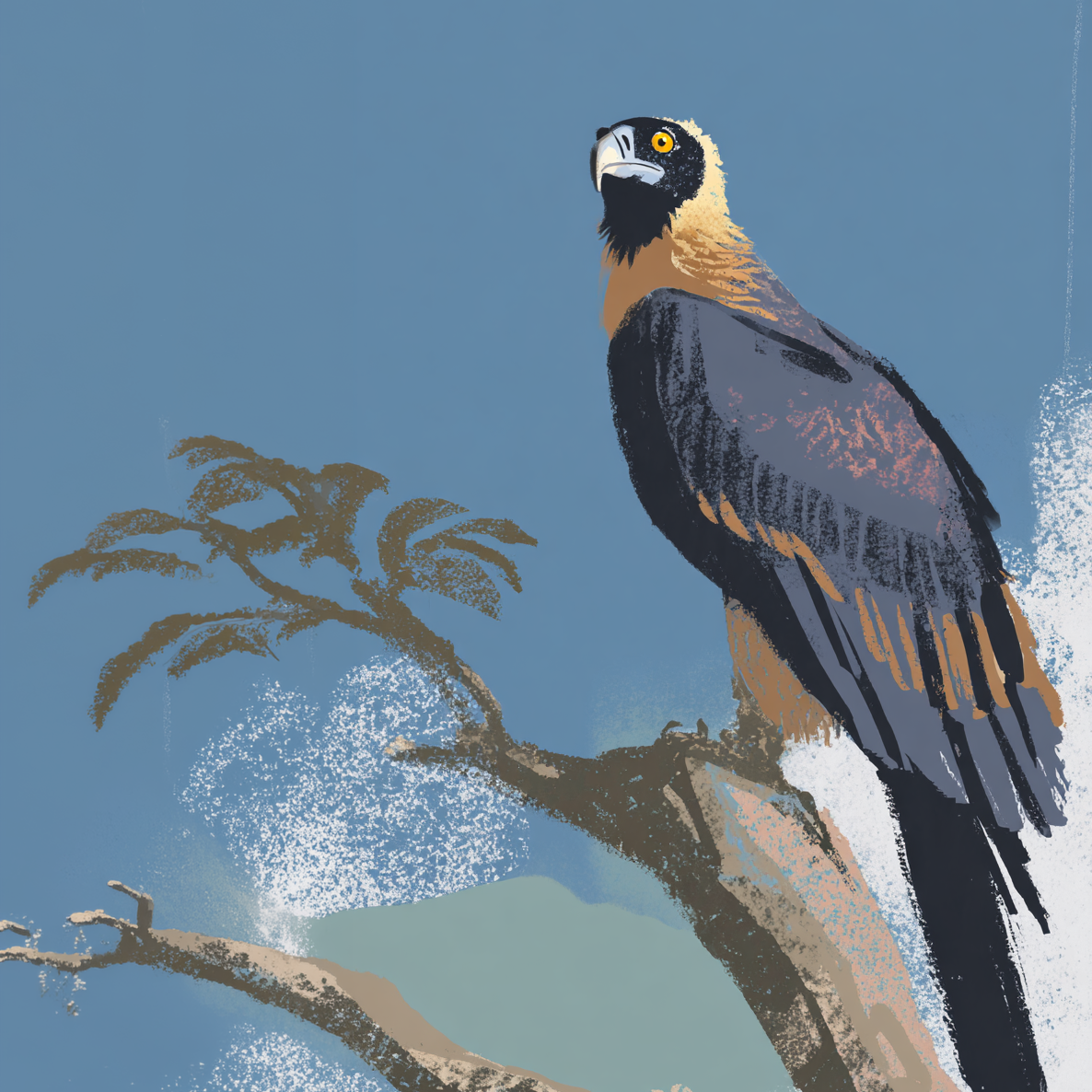
The Observer
the steady gaze
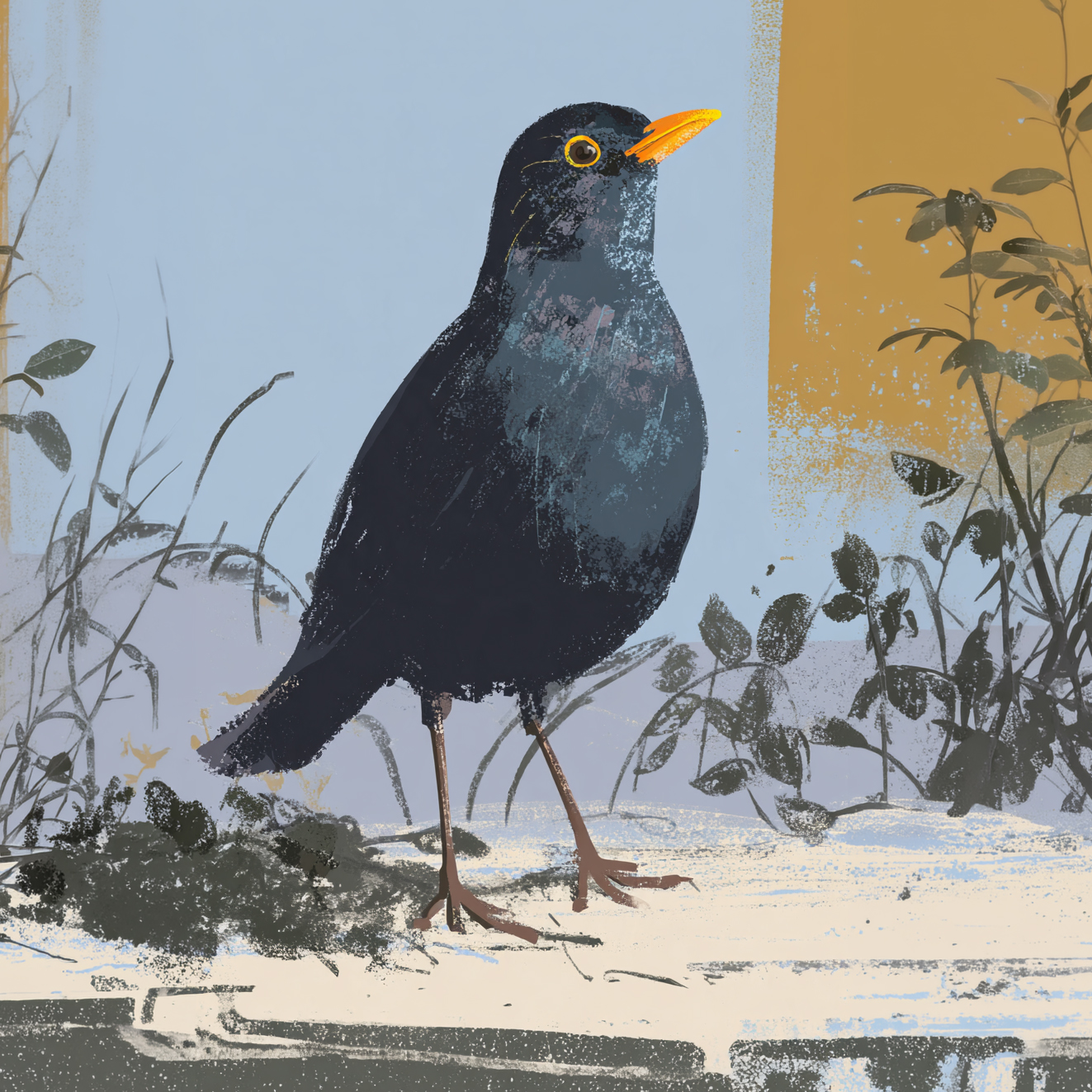
Sansevero
the threshold
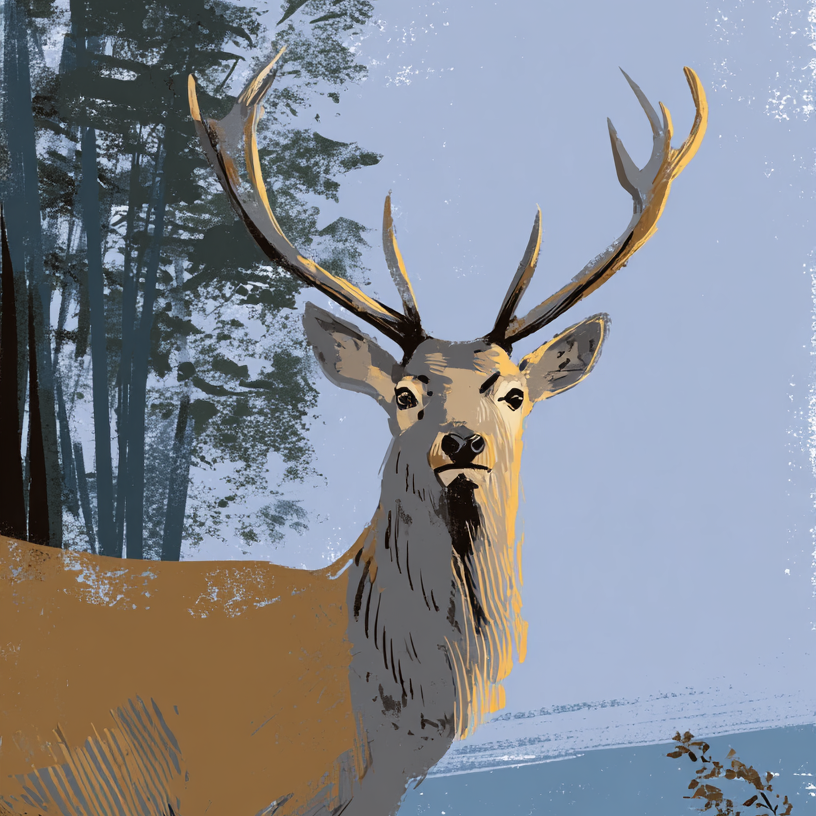
The deer with the great antlers
the apparition
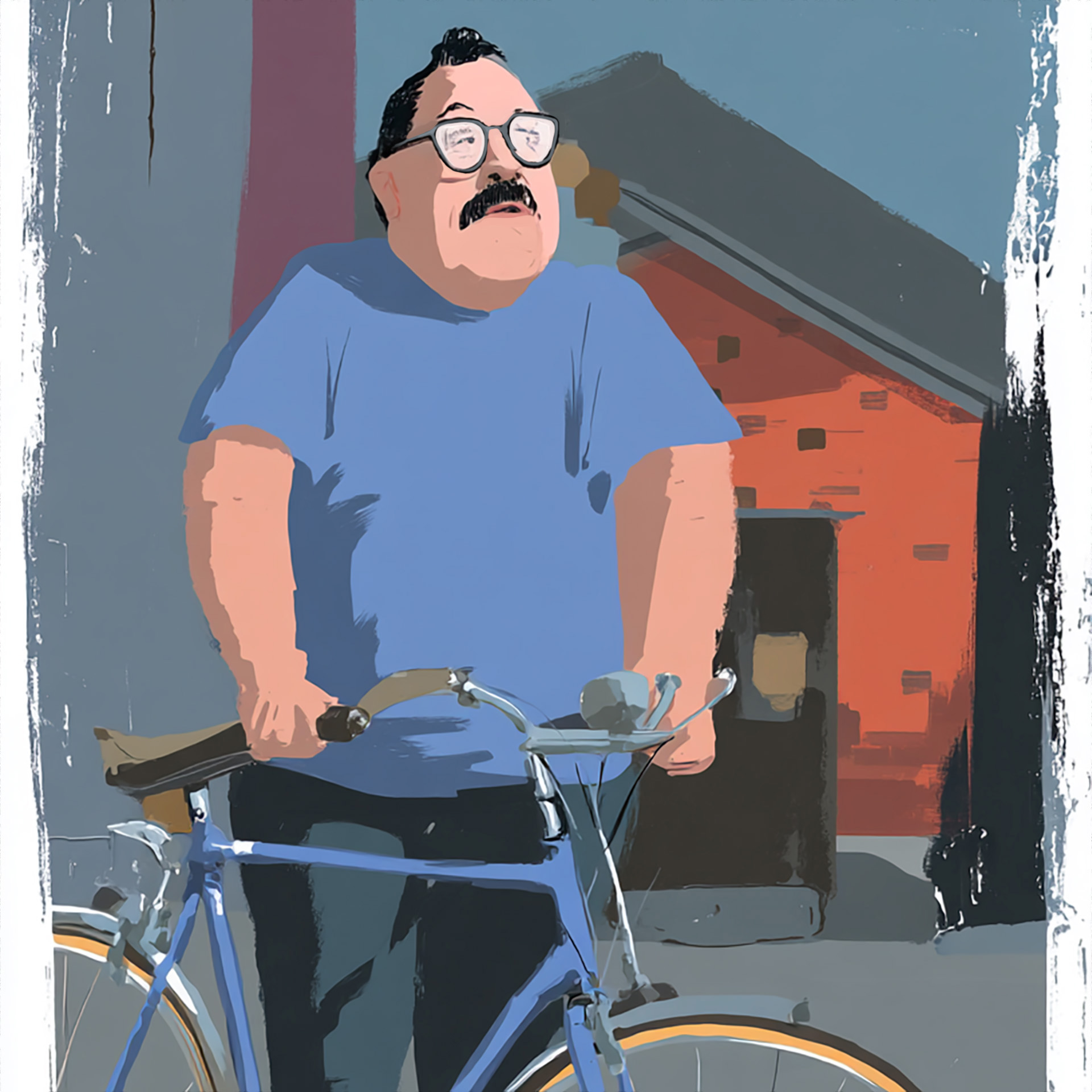
The man with glasses
control
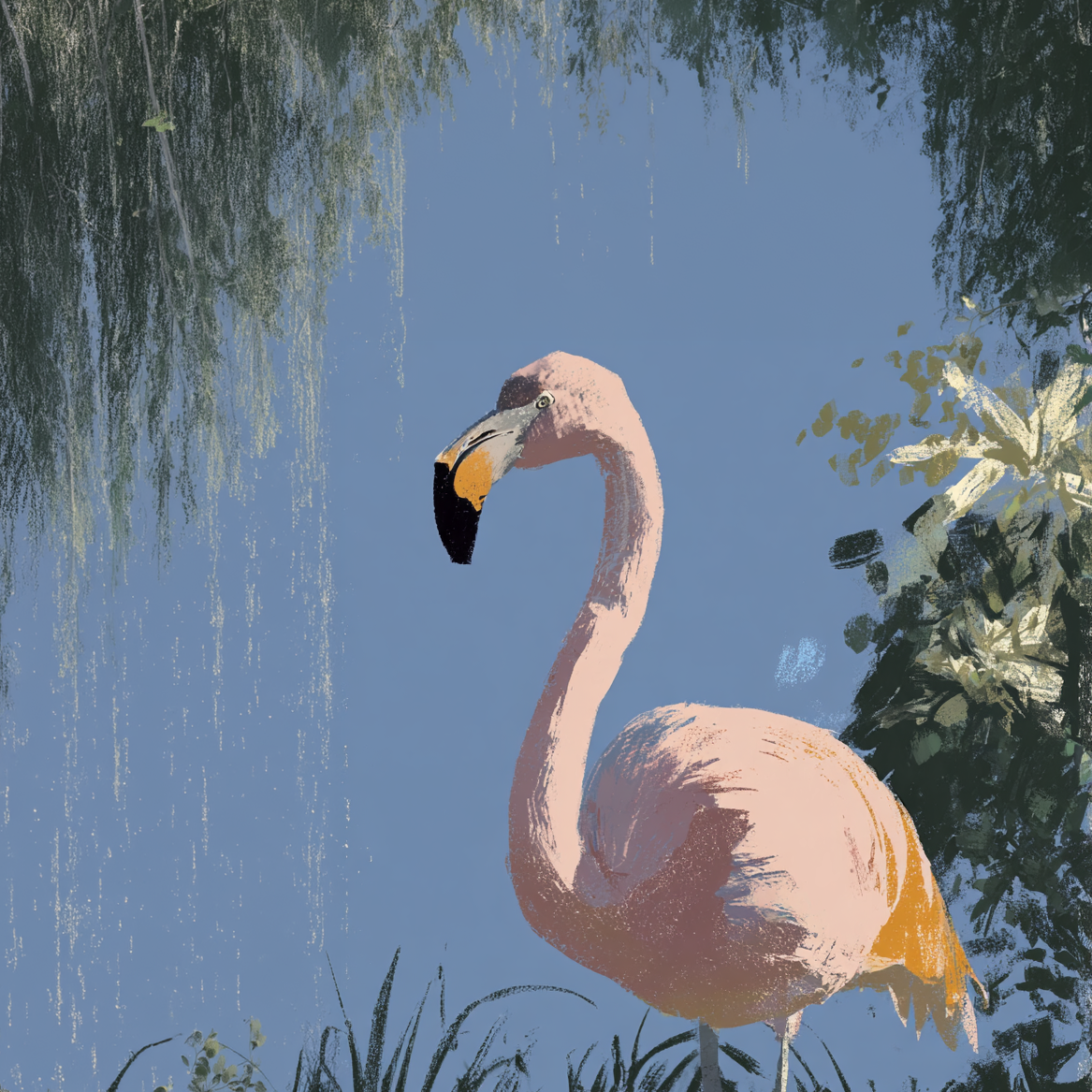
Selva
the future
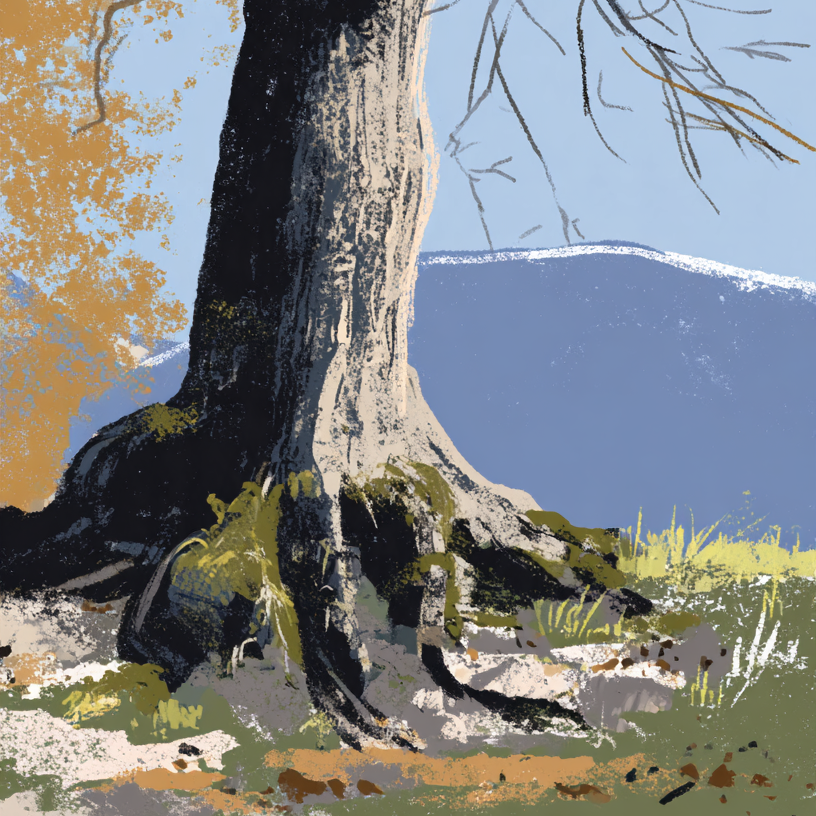
The old chestnut tree
memory
I conigli di Turaa is a trilogy made to be read, looked at and crossed.
The trilogy is available on Amazon at the links below.